Intendencia de Montevideo · Public sector
We proposed an innovative solution for waste collection in Montevideo


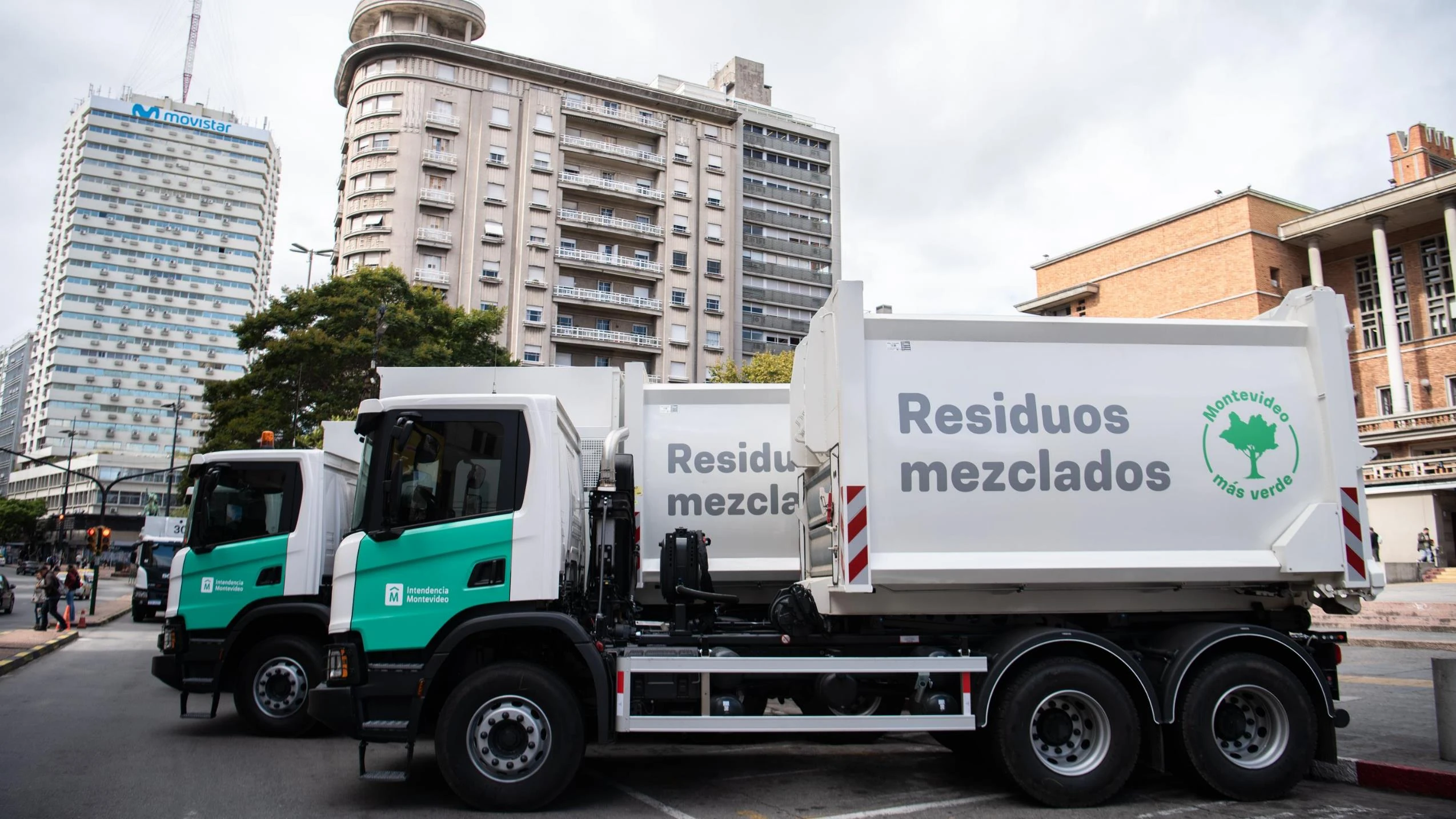
The National Agency for Research and Innovation and the Municipality of Montevideo selected our initiative from more than 20 proposals to tackle the public challenge of improving household waste collection. We equipped collection trucks with smart devices that analyze key events along the route and estimate the weight of waste collected from each container. The proposal includes a model to predict how full containers are. This project is a significant step toward more efficient and sustainable waste management in our city.
The challenge
The National Agency for Research and Innovation (ANII) and the Municipality of Montevideo opened a public challenge to improve the household waste collection system. The city was looking for a more efficient and sustainable way to run collection, with better information about what happens along each truck's route. Without precise data on how much is collected and how often each container fills up, it is hard to plan routes and make good use of the available resources.
The solution
Our initiative was selected from more than 20 proposals. We equipped collection trucks with smart devices that analyze key events along the route and estimate the weight of waste collected from each container. The proposal includes a model to predict how full containers are, based on that information. The devices ride on board the truck and work together with central software that processes the data, so the weight estimate is obtained indirectly, without extra equipment on each container.
The impact
The pilot was implemented successfully and marks a step toward more efficient, sustainable waste management in Montevideo. With data on the weight collected and how full containers are, the city has better information to plan routes and the use of its resources. Predicting fill levels opens up the possibility of adjusting collection frequencies to the real demand of each area, instead of applying fixed routes across the whole city.